Navigating the labyrinth of modern finance requires more than just a passing interest in the news; it demands a strategic mindset, especially when it comes to your home loan. For millions of homeowners, the quest to lower monthly payments or tap into home equity begins and ends with one critical metric: the mortgage refinance rate. But as any seasoned investor will tell you, the headline interest rate is only half the story. To truly optimize your financial future, you must master the art of securing the lowest Annual Percentage Rate (APR).
The Pulse of the Market: Why Rates Fluctuate






Mortgage rates are not static figures etched in stone; they are living, breathing entities that respond to the global economic heartbeat. Factors ranging from inflation reports and employment data to the Federal Reserve’s monetary policy shifts play a role in where rates sit on any given Tuesday. While the Fed does not directly set mortgage rates, its influence on the federal funds rate creates a ripple effect that touches every corner of the lending industry. When inflation fears rise, lenders typically hike rates to protect their profit margins, making the timing of your refinance application a high-stakes game of economic chess.

Interest Rate vs. APR: The Crucial Distinction
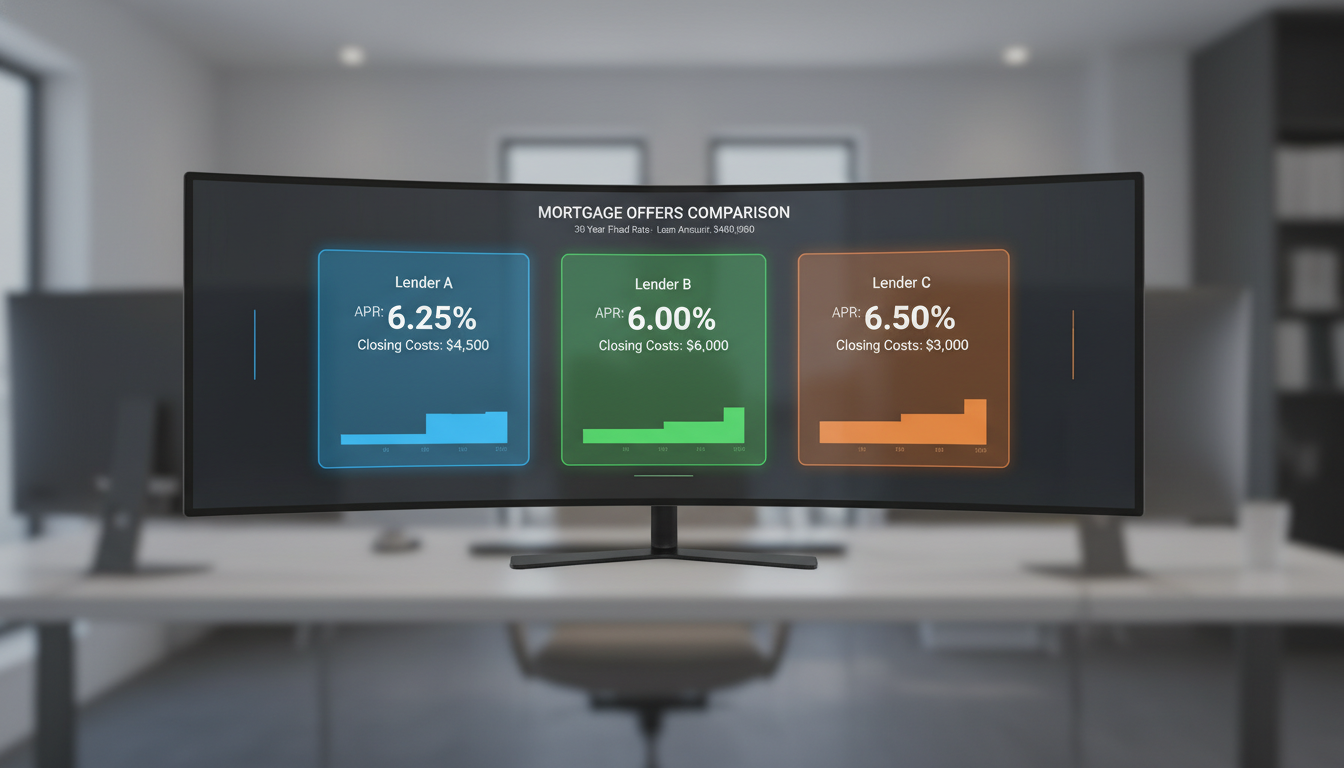
Many homeowners fall into the trap of shopping exclusively for the lowest interest rate, often overlooking the APR. This is a costly mistake. While the interest rate represents the annual cost of the loan to the borrower, the APR is a more comprehensive measure. It includes the interest rate plus other charges such as points, mortgage broker fees, and certain closing costs.
In essence, the APR provides a more accurate picture of the total cost of borrowing. A loan might boast a 5.5% interest rate but carry an APR of 5.9% due to high upfront fees. Conversely, another lender might offer a 5.7% interest rate with almost no fees, resulting in a lower APR. When your goal is to ‘lock the lowest APR,’ you are essentially looking for the most efficient balance between the rate and the cost of acquisition.
Strategies to Sharpen Your Financial Profile
Lenders reserve their most competitive rates for borrowers who present the lowest risk. If you want to secure the lowest APR today, your financial house must be in order.
1. Optimize Your Credit Score: Your FICO score is the primary lever lenders use to determine your rate. Even a 20-point difference can move you into a different pricing tier. Before applying, ensure you haven’t opened new credit lines and that your credit utilization remains low.
2. Lower Your Debt-to-Income (DTI) Ratio: Lenders want to see that you aren’t overextended. Paying down credit card balances or car loans before you refinance can significantly improve your attractiveness as a borrower.
3. Leverage Your Equity: If your home’s value has increased since you purchased it, your Loan-to-Value (LTV) ratio has likely improved. An LTV below 80% not only helps you secure a better rate but also allows you to eliminate Private Mortgage Insurance (PMI), further reducing your effective APR.
The Art of the Rate Lock
Once you find a rate that aligns with your goals, you face a pivotal decision: to lock or to float? A rate lock is a guarantee from a lender that they will honor a specific interest rate for a set period, typically 30 to 60 days.
Timing a lock is notoriously difficult. If you lock today and rates drop tomorrow, you might feel ‘buyer’s remorse’ (unless your lock includes a ‘float-down’ provision). However, if you wait and rates spike, you could lose thousands of dollars over the life of the loan. The general rule of thumb among experts is simple: if the numbers work for your budget today, lock it. Trying to time the absolute bottom of the market is a gamble that few win.
Comparison Shopping: The Power of the Loan Estimate
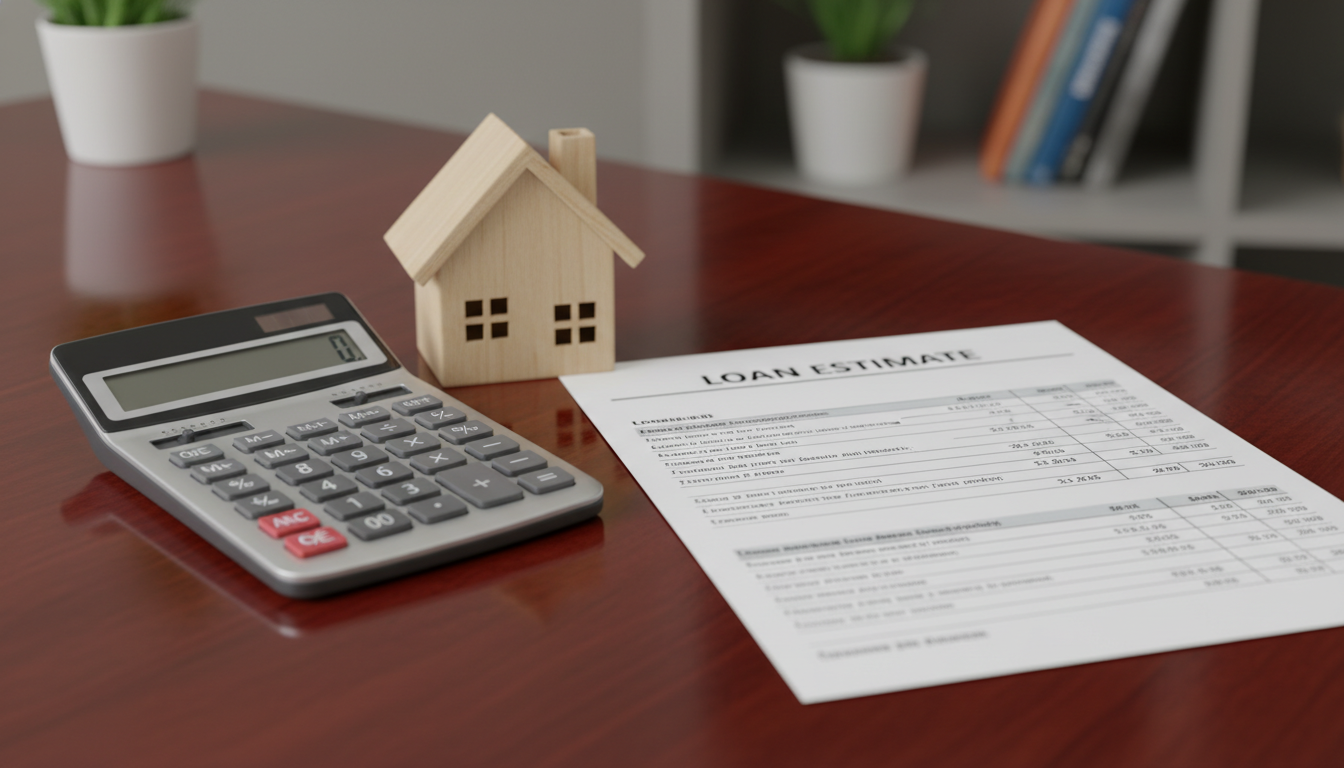
In the digital age, there is no excuse for not shopping around. You should obtain at least three to five Loan Estimates from different types of lenders—traditional banks, credit unions, and online mortgage companies.
When you receive these documents, flip straight to Page 3. This is where you will find the ‘Comparisons’ section, which lists the total amount of interest and principal you will pay over five years. This standardized format allows you to compare ‘apples to apples’ and see which lender is truly offering the lowest APR once all the hidden fees are stripped away.
Understanding Closing Costs and the Break-Even Point
Refinancing is not free. You will likely encounter closing costs ranging from 2% to 5% of the loan amount. To determine if a refinance is worth it, you must calculate your ‘break-even point.’ This is the number of months it will take for the monthly savings from your new, lower payment to cover the costs of the refinance.
For example, if your refinance costs $6,000 and saves you $200 a month, your break-even point is 30 months. If you plan to sell the house in two years, the refinance doesn’t make financial sense, regardless of how low the APR is. However, if you plan to stay for a decade, that $200 monthly saving translates into significant long-term wealth.
Conclusion: Taking Command of Your Mortgage
Securing the lowest mortgage refinance APR today is a proactive endeavor. It requires a blend of market awareness, personal financial discipline, and a willingness to negotiate. By understanding the nuances of the APR, optimizing your credit profile, and meticulously comparing Loan Estimates, you move from being a passive participant in the economy to a commander of your own financial destiny.
The market will always fluctuate, and headlines will always scream about volatility. But for the informed homeowner, these fluctuations represent opportunities. Keep your eye on the APR, do the math on your break-even point, and when the window of opportunity opens, be ready to lock in your future.
