Imagine waking up each day in your cozy home, feeling secure in the knowledge that your biggest investment is well-protected. In Warwick, RI, homeowner insurance isn’t just a luxury—it’s a necessity. With unpredictable weather and unforeseen events, having the right coverage safeguards your home against life’s surprises.
Join us as we delve into the world of homeowner insurance with Allstate, a trusted name in the industry. In this guide, we’ll explore the essential elements of a policy, reveal how to obtain tailored quotes, and share expert tips to help you secure the best protection for your home at an affordable price.
Introduction to Homeowner Insurance

Living in Warwick, RI, is a delightful experience, but safeguarding your home is essential. Homeowner insurance offers peace of mind by protecting your most valuable asset against unforeseen circumstances.
Understanding homeowner insurance involves knowing its components and recognizing the crucial role it plays in securing your home. Let’s dive into the essentials of homeowner insurance and explore the coverage it provides to keep your sanctuary safe.
The Essence of Homeowner Insurance in Warwick
In Warwick, RI, homeowner insurance is more than just a policy—it’s a commitment to protecting what matters most. This insurance is designed to cover damages to your home and possessions in the event of disasters like fire, storms, theft, or vandalism. But it doesn’t stop there; it also offers liability protection if someone is injured on your property.
Warwick’s coastal location adds a unique charm but also presents specific risks, such as flooding and hurricanes. Therefore, having a robust homeowner insurance policy tailored to local needs is crucial.
Core Components of a Homeowner Insurance Policy
A standard homeowner insurance policy typically comprises several components, each offering protection in different scenarios:
- Dwelling Coverage: Protects the structure of your home against covered perils.
- Personal Property Coverage: Covers your belongings inside the home.
- Liability Protection: Offers financial protection if someone gets injured on your property.
- Additional Living Expenses: Covers costs if your home becomes uninhabitable due to a covered event.
Each component is vital in its own right, ensuring that you’re covered comprehensively. Whether it’s repairing the roof after a storm or replacing furniture damaged by a water leak, your policy has got you covered.
Common Risks Covered By Homeowner Insurance
Homeowner insurance policies are designed to mitigate risks that homeowners in Warwick commonly face. Here’s a glimpse into some of these risks:
- Fire and Smoke Damage: Ensures that both structural and personal losses are covered.
- Storm Damage: Covers damages caused by storms, including wind and hail.
- Theft and Vandalism: Offers protection for your belongings against theft or malicious acts.
- Water Damage: Generally covers accidental leaks or burst pipes, though flood coverage is typically separate.
By understanding these risks and the coverage provided, homeowners can make informed decisions to protect their homes with confidence.
Overview of Allstate Insurance
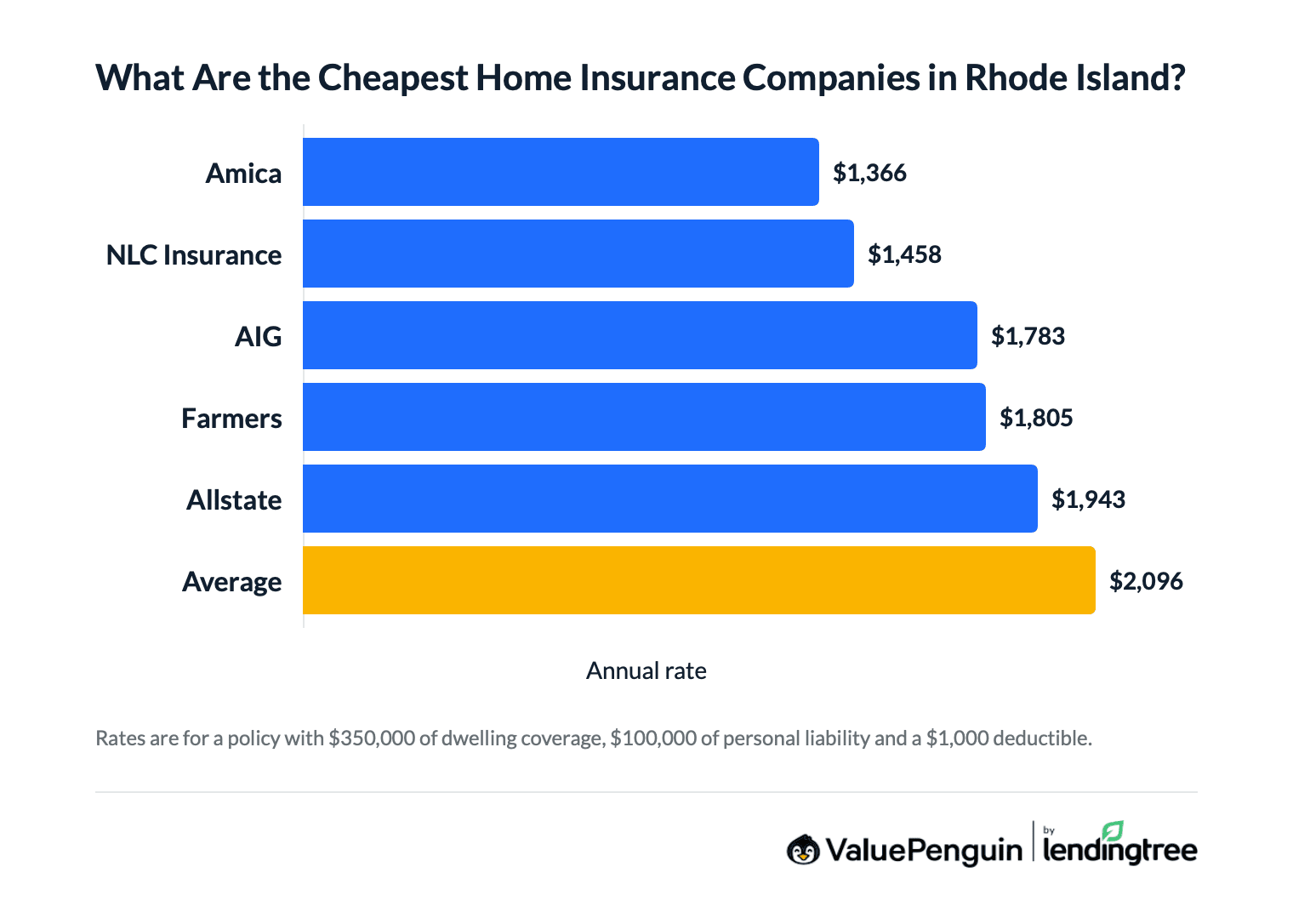
Allstate is a renowned name in the insurance industry, synonymous with reliability and comprehensive coverage options. With years of experience and a robust market presence, Allstate has positioned itself as a leader in providing tailored insurance solutions.
Founded in 1931, Allstate has grown to serve millions of customers across the United States with a steadfast commitment to protection and service. Their homeowner insurance options are designed to cater to the diverse needs of property owners, ensuring peace of mind through comprehensive coverage.
Homeowner Insurance Options in Warwick, RI
Allstate offers a variety of homeowner insurance options specifically crafted for the residents of Warwick, RI. Whether you own a traditional home, a rental property, or a condo, Allstate provides flexible coverage options that can be customized to fit your unique needs. Homeowners can enjoy a spectrum of protection ranging from dwelling coverage, personal property protection, to liability coverage and more.
In addition to the standard coverage, Allstate provides optional add-ons such as water backup coverage, identity theft restoration, and green improvement reimbursement. These options ensure that you can enhance your policy to match your specific lifestyle and concerns.
Comparative Features of Allstate’s Homeowner Insurance
When comparing Allstate’s homeowner insurance with other providers, it becomes evident that Allstate offers several standout features:
- Tailored Coverage: Allstate allows policyholders to build their insurance policy to their precise specifications, with a variety of add-ons and coverage limits.
- Claim-Free Rewards: Enjoy discounts for maintaining a claim-free record, rewarding responsible homeownership.
- 24/7 Customer Support: Allstate provides round-the-clock support to ensure help is always available when needed.
Below is a comparative table highlighting some features of Allstate’s homeowner insurance alongside other insurers:
| Feature | Allstate | Competitor A | Competitor B |
|---|---|---|---|
| Customizable Policies | Yes | No | Limited |
| Claim-Free Rewards | Yes | No | Yes |
| 24/7 Support | Yes | Yes | No |
“You’re in good hands with Allstate” is more than a slogan—it’s a promise of security and exceptional service.
Obtaining Quotes

Unlocking the best homeowner insurance deal starts with obtaining the right quotes. At Allstate Warwick RI, the process is streamlined to ensure you get the most accurate and competitive rates.
Understanding the journey to securing a homeowner insurance quote is crucial. By preparing the necessary information and leveraging Allstate’s online tools, you can easily navigate through this essential step in protecting your home.
The Essentials for Your Quote Request
To ensure a smooth and efficient quote request process, you’ll need to gather some key information. This preparation will help Allstate tailor a policy that suits your needs:
- Details of your property, including address and construction type
- Information about safety features installed in your home
- Your current insurance policy details, if applicable
- Personal information, such as your name and contact details
Utilizing Online Tools for a Quote
Allstate offers powerful online tools that make getting a quote quick and convenient. Here’s how you can use these tools to your advantage:
- Navigate to the Allstate website and select the homeowner insurance section
- Enter your ZIP code and initiate the quote process
- Fill out the online form with the required information you prepared
- Review the coverage options and customize your policy preferences
- Submit your request and receive your personalized quote instantly
“The best way to predict the future is to create it.” – This holds true when safeguarding your home with the right insurance policy.
Factors Influencing Insurance Quotes

When it comes to homeowner insurance quotes in Warwick, RI, several crucial factors come into play. Understanding these variables can help you better navigate the insurance landscape, ensuring you get the best coverage for your needs.
Insurance companies consider a variety of elements when calculating quotes, including the unique characteristics of your home and external influences. Recognizing how these factors interact can empower you to make informed decisions.
Impact of Location on Insurance Costs
Your home’s location is a significant determinant of insurance rates. Neighborhood safety, proximity to natural hazards, and local crime rates can vastly influence pricing. For instance, homes near the coast might incur higher premiums due to increased risk of storm damage.
“A home’s geographic setting is more than just an address—it’s a key player in your insurance rates.”
Property Value and Its Role
The assessed value of your property directly correlates with insurance costs. Higher property values typically lead to higher premiums as they indicate a greater potential liability for the insurer. This is particularly true for homes with unique features or historical significance that may require specialized coverage.
Coverage Limits: What They Mean for Your Budget
Choosing higher coverage limits can offer peace of mind but at a cost. It’s crucial to balance adequate protection with affordability. Opting for additional endorsements or riders to cover specific risks, such as flooding or earthquakes, will also affect your quote.
To further illustrate the impact of these factors, consider the table below:
| Factor | Description | Impact Level |
|---|---|---|
| Location | Proximity to coast, crime rates, local hazards | High |
| Property Value | Market value and unique attributes | Medium to High |
| Coverage Limits | Extent and type of coverage selected | Variable |
These factors, among others, intricately weave into the fabric of your homeowner insurance quote. By understanding their influence, you can tailor your policy to fit your lifestyle and financial situation better.
Tips for Lowering Insurance Premiums

Looking to cut down on your homeowner insurance costs? You’re in the right place! By making smart choices and implementing strategic changes, you can significantly reduce your premiums while maintaining robust coverage.
Being proactive and informed about factors influencing your insurance costs will enable you to make adjustments that translate into savings. Let’s delve into effective methods that can help lower your homeowner insurance premiums without compromising on protection.
Maximizing Savings through Deductibles and Coverage Adjustments
One of the quickest ways to reduce your insurance premium is to adjust your deductible. Opting for a higher deductible can decrease your monthly payments, but it’s essential to ensure that you can afford the out-of-pocket costs in the event of a claim. Another avenue is to carefully review your coverage options. Sometimes, lowering certain areas of coverage that are less crucial can lead to substantial savings. Always discuss these adjustments with your insurance agent to find the perfect balance.
Home Safety Improvements That Qualify for Discounts
By enhancing the safety features of your home, you not only protect your family and belongings but also qualify for premium discounts. Implementing these improvements can lead to cost savings:
- Install a monitored security system to deter break-ins and alert authorities in case of an emergency.
- Add smoke detectors and fire alarms in every room to reduce fire risks.
- Upgrade to storm-proof windows and doors to withstand extreme weather conditions.
- Set up a water leak detection system to prevent costly water damage.
- Consider reinforcing your roof to increase its durability against storms.
“Investing in home safety is an investment in peace of mind and potential savings.”
Importance of Comparing Quotes

In the world of homeowner insurance, not all policies are created equal. When searching for the perfect policy, comparing quotes can lead you to the best coverage that suits your specific needs and budget.
By evaluating multiple offers, you can uncover hidden value, avoid overpaying, and ensure that your home—and everything inside it—is adequately protected.
Benefits of Evaluating Multiple Quotes
Delving into various options allows you to gain insights into the coverage limits, deductibles, and unique features each provider offers. It enables you to spot differences that can either save you money or provide greater peace of mind.
Furthermore, this practice empowers you to make an informed decision, ensuring that you are not just choosing based on cost but also on the reputation and reliability of the insurance provider.
Methods for Effective Comparison
To make the comparison process smooth and effective, consider these strategies:
- Utilize online comparison tools for quick, side-by-side evaluations.
- Read customer reviews and ratings to gauge provider reliability.
- Contact agents directly to inquire about any potential discounts or special offers.
- Examine the fine print for each policy to understand the extent of coverage and exclusions.
Comparative Table of Coverage, Cost, and Provider Reputation
Below is a straightforward comparison to help visualize the differences among providers:
| Provider | Coverage | Cost | Reputation |
|---|---|---|---|
| Allstate | Comprehensive | $$$ | ★★★★☆ |
| StateFarm | Standard | $$ | ★★★☆☆ |
| Liberty Mutual | Comprehensive with extras | $$$$ | ★★★★★ |
“Price is what you pay. Value is what you get.” – Warren Buffett
Final Summary
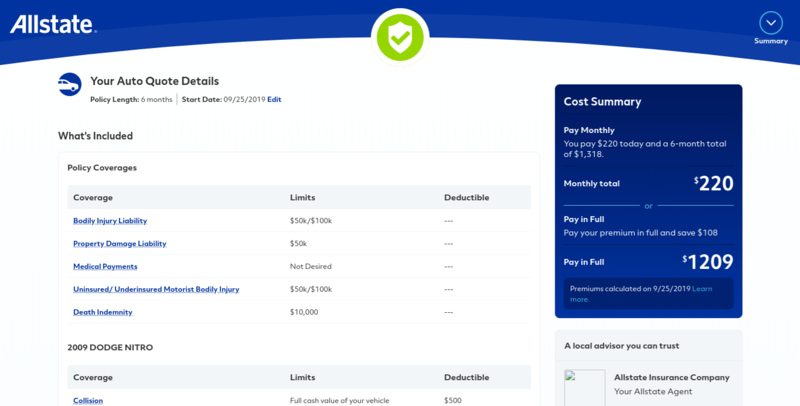
In conclusion, securing the right homeowner insurance is crucial for every resident in Warwick, RI. As you compare quotes and explore your options, keep in mind the invaluable peace of mind that comes with knowing your home is protected with Allstate. Take the first step today—because your home deserves the very best.