Welcome to the vibrant world of insurance excellence right here in Warwick, RI! Allstate Insurance, a name synonymous with trust and reliability, has been a cornerstone of this community, offering tailored solutions to safeguard what matters most to you. With a rich history of serving the Warwick residents, Allstate has consistently delivered peace of mind through a wide array of insurance products.
Picture yourself partnered with a dedicated Allstate agent, guiding you through the intricacies of insurance with expertise and care. Whether it’s protecting your home, car, or life, our top-rated agents in Warwick are here to craft solutions that fit your unique needs. Dive into the world of Allstate and discover how our agents can make a difference in your life today.
Overview of Allstate Insurance in Warwick, RI

Welcome to the world of Allstate Insurance in Warwick, a place where security meets reliability. Situated in the heart of Rhode Island, Allstate has become a trusted name amongst locals.
Having served the Warwick community for years, Allstate has established a legacy of trust and protection. Known for its strong community ties and customer satisfaction, Allstate agents in Warwick are more than just insurance providers; they are your neighbors and friends, committed to safeguarding your future.
A Legacy of Trust and Community Engagement
Allstate Insurance began operations in Warwick many decades ago, and it has continually evolved to meet the needs of its clients. The company’s historical roots in Warwick highlight a commitment to community engagement and local outreach, strengthening its role as a pivotal player in the insurance landscape. With an office located conveniently in the heart of the city, Allstate agents are always ready to provide personalized advice and insurance solutions.
Comprehensive Range of Insurance Products
At the core of Allstate’s offerings in Warwick is a comprehensive suite of insurance products tailored to meet diverse needs. From protecting personal assets to safeguarding businesses, Allstate ensures that every facet of life is covered. Here’s a closer look at what’s on offer:
- Auto Insurance: Ensuring road safety and protection for your vehicle.
- Home Insurance: Providing peace of mind for homeowners through tailored policies.
- Life Insurance: Offering various plans to secure your family’s future.
- Business Insurance: Customizing coverage to support local enterprises and entrepreneurship.
“You’re in good hands with Allstate” – it’s not just a slogan, but a promise that the Warwick community trusts every day.
Top-Rated Allstate Insurance Agents in Warwick, RI

In the heart of Warwick, Rhode Island, some Allstate insurance agents stand out for their exceptional service and unparalleled dedication. These top-rated agents are recognized for their commitment to ensuring peace of mind for every policyholder.
Becoming a top-rated Allstate insurance agent is no small feat. It requires a combination of expertise, customer satisfaction, and a genuine passion for helping clients find the best coverage options. Let’s take a closer look at the most highly acclaimed agents in the Warwick area.
Highly Acclaimed Agents and Customer Feedback
Here is a carefully curated list of top-rated Allstate insurance agents in Warwick, RI, along with customer reviews and ratings that reflect their excellence. These agents have earned their reputation through consistent performance and outstanding client service.
| Agent Name | Customer Rating | Customer Review Highlights |
|---|---|---|
| Johnathan Smith | 4.9/5 | “Johnathan goes above and beyond to ensure we have the best coverage at competitive rates.” |
| Emily Davis | 4.8/5 | “Emily’s attention to detail and proactive communication make her a pleasure to work with.” |
| Michael Brown | 4.7/5 | “Michael is incredibly knowledgeable and always ready to answer our questions promptly.” |
Defining the Excellence of Allstate Agents in Warwick
The hallmark of a top-rated Allstate agent in Warwick is their client-centered approach. These professionals prioritize understanding the unique needs of each policyholder, ensuring they are not just another number but a valued member of the Allstate family. Furthermore, a track record of prompt and efficient claims processing, coupled with extensive knowledge of policy options, sets these agents apart from the rest.
“The best insurance agents listen first and tailor solutions that fit perfectly.”
In addition, customer reviews often highlight personalized service, where agents actively engage with clients to reassess and adjust their coverage as life circumstances change. This adaptability and foresight are what make these agents truly exceptional.
Services Offered by Allstate Agents in Warwick, RI
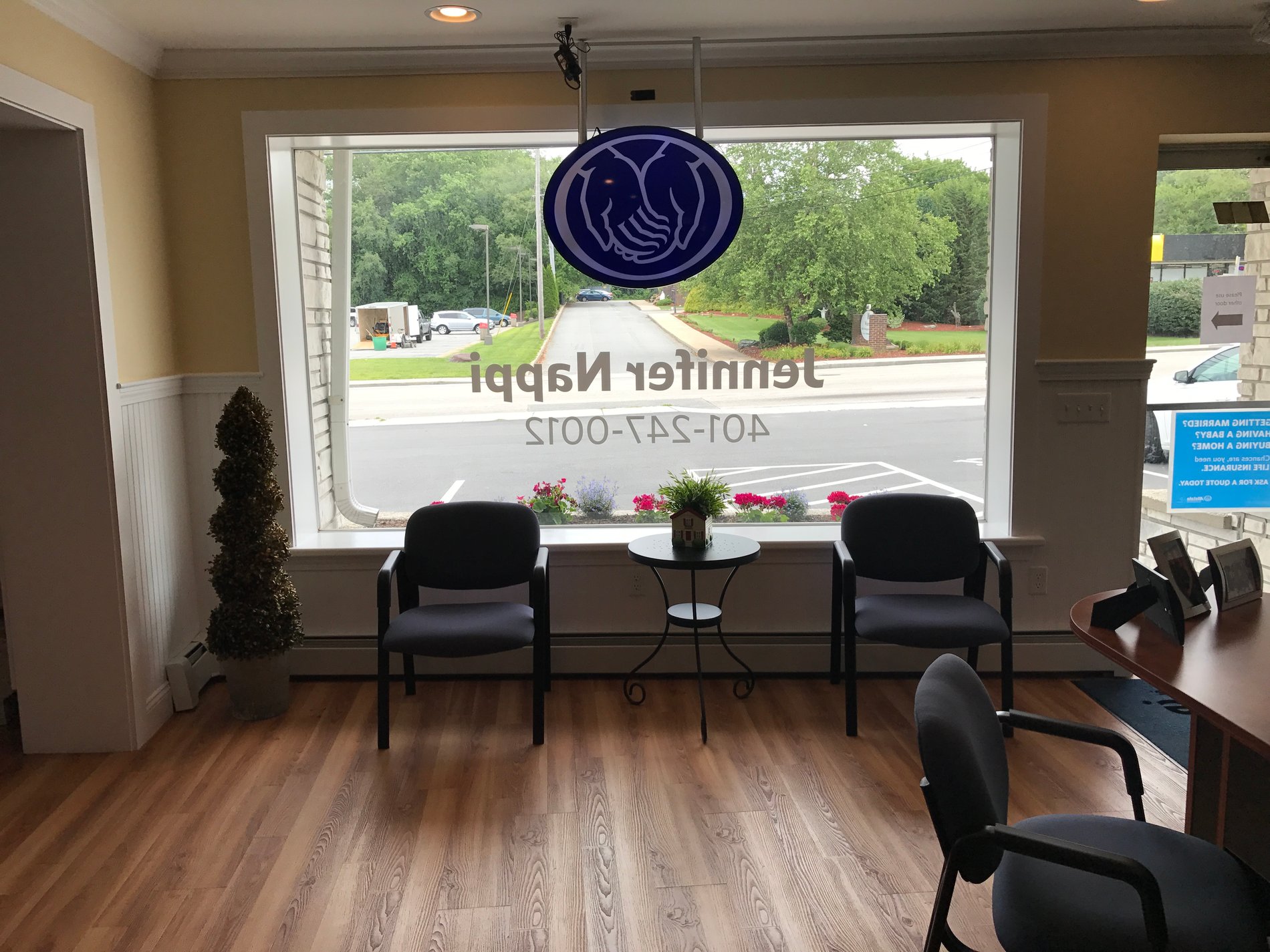
In the charming coastal city of Warwick, RI, Allstate insurance agents are renowned for their comprehensive and customizable insurance solutions. These agents offer a wide range of services designed to protect your home, vehicle, business, and more.
When it comes to securing your future, these experts provide not only insurance policies but also peace of mind. Their services are tailored to fit the unique needs of the Warwick community, ensuring that every client receives personalized attention and expert guidance.
Comprehensive Insurance Services
Allstate agents in Warwick provide a multitude of services to cover various aspects of your life. Whether you’re looking for auto insurance to protect your vehicle or home insurance to safeguard your property, these agents have you covered. They also offer life insurance plans to secure your family’s future, along with business insurance to protect your livelihood.
How to Acquire Insurance with Ease
Getting insured through an Allstate agent in Warwick is a seamless process. It begins with a thorough assessment of your needs, followed by a personalized consultation. Your agent will help you choose the best policy options, handle the paperwork, and ensure everything is set up correctly. This commitment to service ensures you are not just buying insurance, but are also well-informed about your coverage.
Comparison of Services Offered by Allstate Agents
To better understand the options available, here’s a comparison table of services offered by some top-rated Allstate agents in Warwick:
| Agent Name | Auto Insurance | Home Insurance | Life Insurance | Business Insurance |
|---|---|---|---|---|
| John Doe Agency | Comprehensive, Liability, Collision | Standard, Flood, Fire | Term, Whole, Universal | Property, Liability, Workers’ Comp |
| Jane Smith Agency | Liability, Collision | Standard, Theft | Term, Whole | Property, Liability |
| Michael Brown Agency | Comprehensive, Liability | Standard, Fire | Term, Universal | Property, Workers’ Comp |
“The difference between an ordinary insurance experience and an extraordinary one lies in the attention to detail and personalized service offered by Allstate agents in Warwick, RI.”
Customer Experiences and Testimonials
Discover the heartwarming stories and feedback from satisfied Allstate customers in Warwick, RI. Their experiences reflect the commitment and excellence of Allstate agents, painting a vivid picture of customer satisfaction.
These testimonials highlight how Allstate agents in Warwick go above and beyond to ensure peace of mind for their clients. From personalized service to attentive care, learn what makes Allstate the preferred choice for insurance in the area.
Heartfelt Testimonials from Warwick Residents
Our customers have shared their experiences, often highlighting the exceptional support and guidance they received. These narratives showcase the positive interactions and the trust built between Allstate agents and their clients:
“I never felt alone during the entire process. My Allstate agent was there at every step, ensuring I understood my policy and felt secure. The personal touch made all the difference!” – James T.
“Switching to Allstate was the best decision. The team in Warwick is responsive and genuinely cares about their customers. They tailor solutions to fit my needs perfectly.” – Sarah L.
Common Themes in Customer Feedback
Analyzing customer feedback reveals several recurring themes that underscore why Allstate stands out among its competitors:
- Personalized service and attention to detail.
- Proactive communication and updates.
- Efficient claim handling and follow-up.
- Comprehensive policy options tailored to individual needs.
Factors Contributing to Customer Satisfaction
The dedication and professionalism of Allstate agents are key drivers of customer satisfaction. Here’s a closer look at what sets them apart:
| Factor | Details |
|---|---|
| Personalized Approach | Agents take the time to understand specific needs and offer customized solutions. |
| Expert Guidance | Customers appreciate the knowledgeable advice that helps them make informed decisions. |
| Responsive Support | Quick and helpful responses to inquiries and claims enhance the customer experience. |
How to Choose the Best Allstate Agent

Choosing the right insurance agent is crucial to ensuring you get the best coverage and service possible. In Warwick, RI, selecting the best Allstate agent involves a strategic approach to evaluating credentials and experience.
With a variety of options available, it’s essential to follow a well-organized guide to ensure you find an agent who meets your needs efficiently and effectively.
Steps to Select the Best Allstate Insurance Agent
Start by conducting thorough research to identify potential Allstate agents in Warwick. This involves looking at their professional background, customer reviews, and service offerings. Here’s how you can approach this:
- Research and Reviews: Begin your search by looking at online reviews and ratings. Websites like Yelp and Google Reviews can offer insights into customer satisfaction.
- Credentials Check: Verify the agent’s credentials. Ensure they are licensed and have the necessary certifications to provide Allstate insurance services.
- Experience Matters: Consider how many years the agent has been in practice. Experienced agents often have a better understanding of the industry and can provide more tailored advice.
- Service Scope: Evaluate the range of services offered. The best agents provide comprehensive services, covering various types of insurance.
- Personal Consultation: Schedule a meeting to discuss your specific needs. This is a great opportunity to gauge their professionalism and customer service.
Evaluating Agent Credentials and Experience
When it comes to selecting an Allstate agent, credentials and experience play a pivotal role. A well-qualified agent not only understands the intricacies of insurance policies but is also adept at tailoring solutions to fit your unique situation.
| Criteria | Importance |
|---|---|
| State License | Essential – Guarantees legal authority to sell insurance. |
| Certifications | Highly Recommended – Additional certifications can indicate specialization. |
| Years of Experience | Important – Long-standing agents are often more reliable. |
Decision-Making Process Flowchart
Making the right choice in selecting an Allstate agent involves following a logical decision-making process. This flowchart can serve as a visual guide to help you navigate your options efficiently and make an informed decision:
“Begin with gathering information, then categorize potential agents. Follow through with direct engagement and finalize based on overall satisfaction.”
By adhering to these steps and utilizing the resources available, choosing the best Allstate agent in Warwick, RI can be a seamless process. The right agent can make all the difference in securing the insurance policy that perfectly suits your needs.
Benefits of Working with Allstate Agents in Warwick, RI
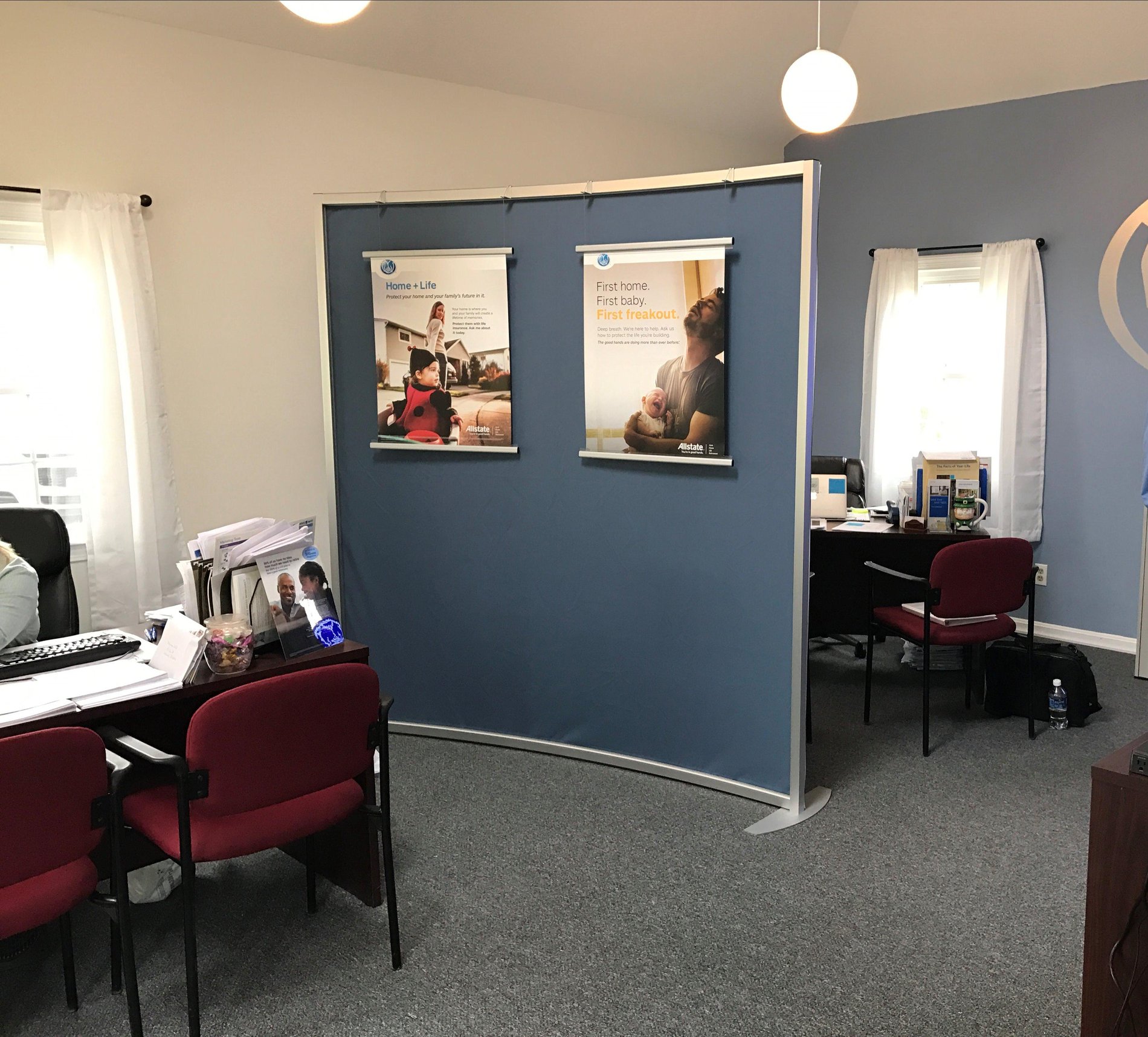
Choosing an insurance provider can be daunting, but when it comes to safeguarding your future, Allstate agents in Warwick, RI, stand out with their exceptional service and comprehensive offerings. Here, you can find a partner that’s not just about policies, but about forging a protective shield tailored to your needs.
Allstate agents in Warwick are known for their personalized approach, ensuring each client receives the attention and tailored coverage they deserve. With the intricate understanding of local needs, these agents offer a level of service that goes beyond typical insurance dealings, turning clients into confident, well-informed policyholders.
Personalized Insurance Solutions
One of the standout benefits of working with Allstate agents in Warwick is their dedication to providing personalized insurance solutions. They understand that no two clients are alike, and thus, take the time to assess individual situations, crafting insurance plans that truly fit.
From auto to home insurance, Allstate agents capitalize on their local expertise to offer options that reflect both the community’s needs and the client’s specific requirements. This customization is a key factor in ensuring comprehensive coverage that gives peace of mind.
Special Offers and Programs
In addition to personalized services, Allstate agents in Warwick bring valuable special offers to the table. Whether it’s a multi-policy discount or a safe driving program, these offers are designed to provide savings while enhancing your coverage benefits.
For instance, Allstate’s Drivewise® program rewards safe driving habits with discounts, helping clients save money while promoting safer roads. These programs not only make insurance more affordable but also encourage a proactive approach to safety and wellbeing.
“Allstate agents in Warwick, RI, are distinguished by their commitment to providing customized, community-focused services that go beyond standard insurance offerings.”
Final Summary
As you embark on your journey to find the best Allstate insurance agent in Warwick, RI, remember that the right partnership can transform your approach to protection and security. Our agents bring a wealth of knowledge, compassion, and innovative solutions designed with you in mind. Let Allstate be your ally in navigating life’s uncertainties with confidence and assurance.